CRC > Transcranial Direct Current Stimulation (tDCS)
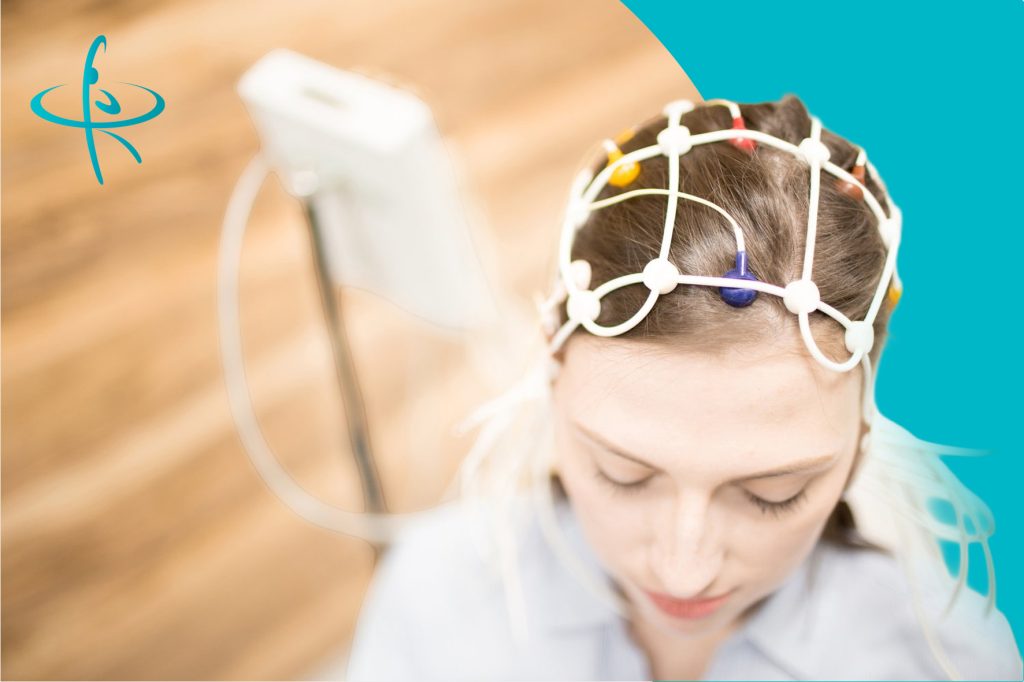
Transcranial direct current stimulation (tDCS) is a non-invasive neuromodulation technique that delivers a low-intensity electrical current to specific regionsof the brain through electrodes placed on the scalp. This gentle stimulation modulates neuronal activity, increasing or decreasing cortical excitability depending on the polarity of the current. By altering brain network activity, tDCS can influence cognitive, motor, and emotional functions without inducing discomfort.
Clinically, tDCS has been studied for its ability to enhance neuroplasticity, supporting rehabilitation and functional recovery in neurological and psychiatric conditions. It is often used as an adjunct to traditional therapies to optimize outcomes, improve motor learning,and facilitate cognitive or behavioral interventions.
Clinical applications include:
Neurological rehabilitation: post-stroke motor recovery, cerebral palsy, traumatic brain injury
Neurodevelopmental disorders: autism spectrum disorder, attention and executive function support
Cognitive enhancement: memory, attention, and learning in clinical populations
Mood and mental health support: depression, anxiety, and other affective disorders
Pain management: chronic neuropathic pain and certain types of headache disorders