At CRC, we utilize advanced Photobiomodulation Therapy systems based on medical laser technologies, developed using internationally recognized clinical protocols and evidence-based laser medicine principles. These therapies use low-level laser light at specific wavelengths to stimulate cellular activity, support tissue regeneration, and enhance physiological healing processes without invasive procedures.
Photobiomodulation works by delivering light energy that is absorbed by cellular structures particularly mitochondria, leading to increased production of adenosine triphosphate (ATP), the primary energy molecule in cells. This process helps improve microcirculation, oxygen availability, and cellular repair mechanisms, while also reducing inflammation and oxidative stress.
These technologies are designed to support tissue repair, modulate the immune system response, relieve pain, and enhance functional recovery as part of comprehensive, physician-supervised rehabilitation programs. When needed, PBM may also be combined with IV solubles as part of an individualized treatment plan.
Our systems utilize several therapeutic wavelengths, each producing specific biological effects. Examples include:
Supports tissue healing, increases ATP production, and improves microcirculation.
Penetrates deeper tissues and supports neural activity, mitochondrial function, and regeneration.
May contribute to immune modulation, circulation support, and antimicrobial effects depending on the therapeutic protocol.
Delivery Methods at CRC
Photobiomodulation can be delivered through several clinical approaches depending on the therapeutic objective:
- Intravenous Laser Therapy (IV Laser)
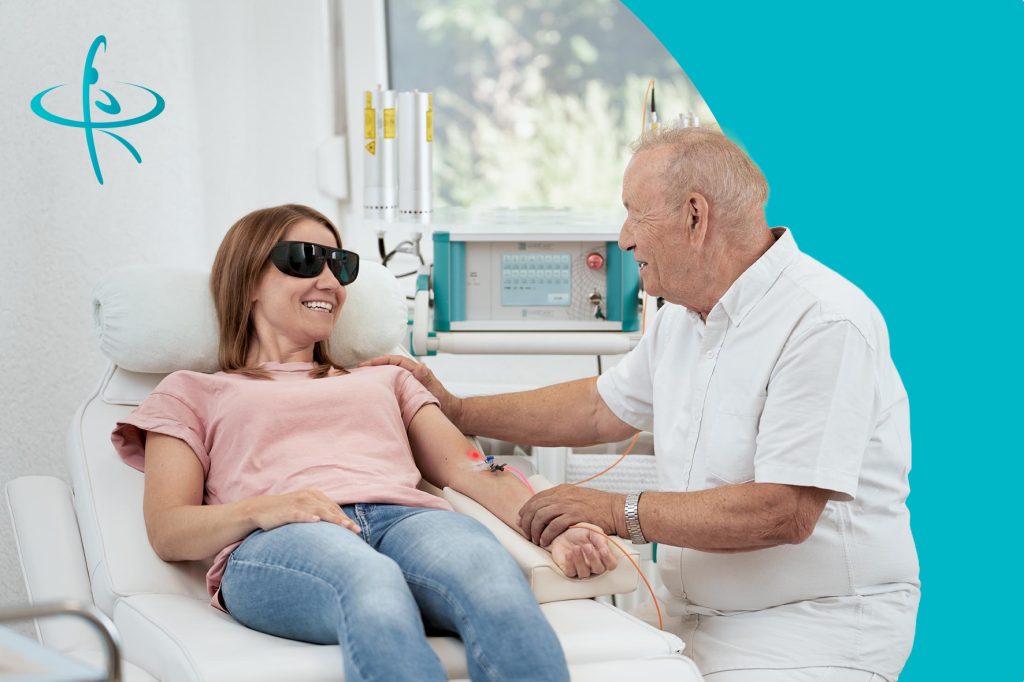
Low-level laser light is delivered directly into the bloodstream through a sterile optical fiber, allowing systemic distribution of photobiomodulation effects throughout the body. This approach is designed to support immune modulation, cellular metabolism, and systemic regulation. - Transcranial Photobiomodulation (Brain PBM)
Specialized laser or LED systems deliver near-infrared light through the scalp to stimulate brain tissue. Wavelengths around 810 nm can penetrate several centimeters into brain tissue, supporting neuronal metabolism, cerebral blood flow, and neuroplasticity. - Interstitial and Intra-Articular Applications: delivered directly into deeper tissues or joints using minimally invasive optical fibers to enhance local tissue repair, reduce inflammation, and promote recovery in conditions such as tendinopathies, arthritis, and post-surgical rehabilitation.
- Laser Acupuncture: Low-level laser light is applied to acupuncture points to stimulate neurovascular and energy pathways without the use of needles. This approach combines the benefits of traditional acupuncture with photobiomodulation, supporting pain relief, neuromodulation, musculoskeletal recovery, and systemic balance.
- Local and Full-Body Applications
Laser modules may also be applied to targeted areas of the body or through systemic light-therapy systems to promote tissue regeneration, reduce inflammation, and support recovery from musculoskeletal conditions.
Therapeutic Applications
At CRC, photobiomodulation therapies are integrated into multidisciplinary programs to support:
- Neurological rehabilitation and cognitive health
- Chronic pain and musculoskeletal conditions
- Autoimmune conditions and inflammatory disorders
- Mitochondrial dysfunction and metabolic disorders
- vascular and circulatory health
- Tissue repair and regeneration
- Circulatory and metabolic supportBy combining multiple wavelengths, delivery techniques, and personalized protocols, photobiomodulation offers a non-invasive therapeutic option that complements CRC’s advanced rehabilitation services.