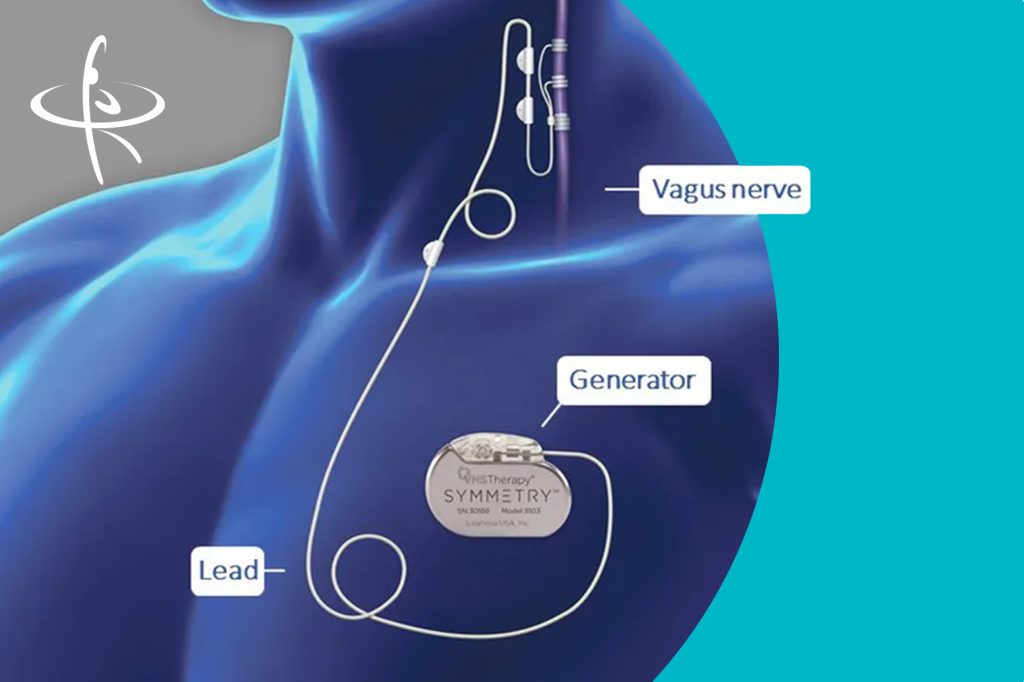
Vagus nerve stimulation (VNS) is a safe and non-invasive neuromodulation technique that delivers controlled electrical impulses to the vagus nerve, one of the primary nerves connecting the brain to multiple organs. This stimulation can influence autonomic nervous system activity, modulate inflammatory responses, and affect brain circuits involved in mood, cognition, and sensory processing.
Clinically, VNS has been shown to support neurological, psychiatric, and systemic health outcomes by promoting neuroplasticity, and improving neural network balance. It is often used alongside other therapies to support autonomic regulation, helping improve heart rate variability, digestion, and systemic inflammatory balance. It also contributes to mood and emotional modulation, addressing conditions such as anxiety, and stress-related disorders. In addition, VNS can enhance cognitive and sensory functions, including attention, executive processing, and sensory integration. The therapy serves as an adjunct in neurological rehabilitation and provides neurodevelopmental support by facilitating autonomic and emotional regulation in conditions such as autism spectrum disorder.